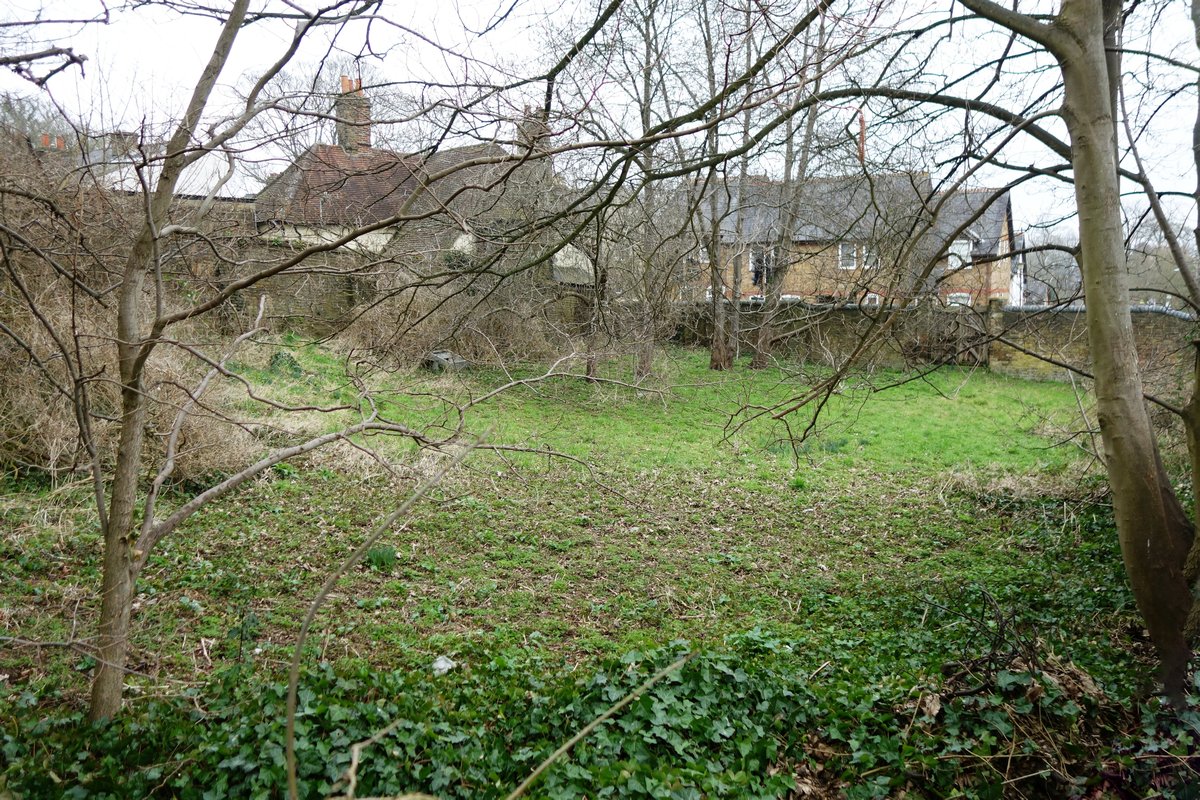
We have recently responded to a planning application to build a 3-bedroom house on the Quaker Burial on Port Hill.
The burial ground falls within the boundary of the Bengeo Neighbourhood Area Plan.
Given the inclusion of the burial ground on the Hertfordshire Historic Environment Record (HER Number MHT10026), its close association with the Quaker Friends Meeting House in Railway Street (deemed to be the oldest Friends Meeting House in the world to be in continuous use), and its significant history as a burial ground for more than a thousand Quakers, dating back to the mid-1600s, this site meets the criteria for evaluation under Bengeo Neighbourhood Area Plan Policy HBC3: Non-designated Buildings and Structures.
Although the burial ground is not referenced in criterion I of Policy HBC3, criterion II says ‘Development proposals which affect these, and other non-designated heritage assets, will be permitted provided that the scale of any harm or loss is balanced against the significance of the asset’. In assessing the scale of harm or loss in this application, account has been taken of Policy HE7: Decisions on non-designated heritage assets, in the August 2026 updates to the National Planning Policy Framework. Policy HE7 and Neighbourhood Plan Policy HBC3 require a balanced judgement to be made in which the benefits of a proposal are weighed against the scale of any harm or loss, and the significance of the non-designated heritage asset.
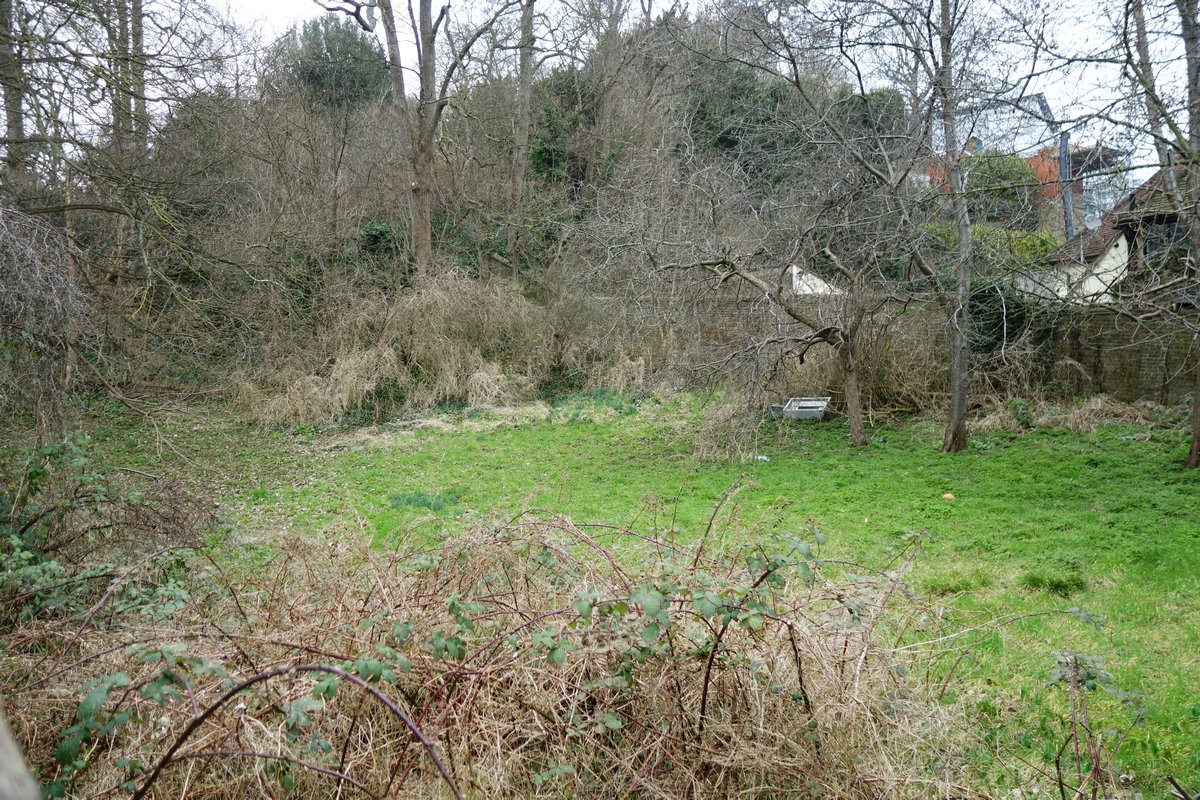
In reaching the decision to submit an objection, a full account has been taken of the Design, Access, Heritage and Sustainability Statement and the 2013 Heritage Impact Statement. We note the applicants’ intent for a sensitive approach to be taken to redevelopment of this 17th century burial ground but do not consider the planning documents to have demonstrated sufficient evidence for change of use and residential development. Our view is that this historic burial ground should remain undisturbed.